
Popular Tree Removal Equipment for Safe and Effective Jobs
Discover top-rated tools and gear that help you handle tree removal tasks with confidence and precision.
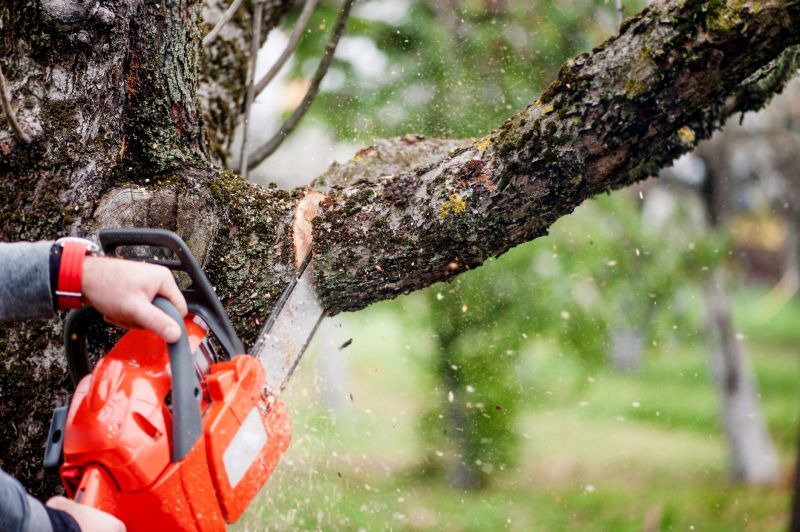 In the realm of tree removal, selecting the appropriate tools and products is essential for ensuring safety and efficiency. Whether managing a small residential tree or a larger, more complex removal project, having the right equipment can make a significant difference. From manual hand tools to powered machinery, the options available cater to a variety of needs, skill levels, and project scopes. Proper planning and understanding of the available products can help in making informed decisions for safe and effective tree removal.
Top Overall Option
Multi-Purpose Tree Removal Kit
A comprehensive tree removal kit that includes essential hand tools, safety gear, and accessories designed to handle various aspects of tree cutting and debris management. Ideal for both DIY enthusiasts and professionals seeking a versatile and reliable set, this kit offers a balanced combination of power, safety, and convenience. It provides a solid foundation for safe tree removal projects, ensuring all necessary components are readily available in one package.
Types of Products For Tree Removals
Chainsaws
Powerful cutting tools used for felling trees, limb removal, and trunk cutting. Available in various sizes and power levels to suit different project needs.
Pruning Saws
Manual saws designed for trimming branches and smaller limbs with precision, ideal for detailed work and smaller trees.
Pole Pruners
Extendable tools that allow for cutting high branches without the need for ladders, suitable for reaching difficult areas safely.
Loppers
Heavy-duty hand tools for cutting thick branches and small trunks, providing leverage and control for detailed pruning.
Safety Helmets and Gear
Protective equipment including helmets, gloves, eye protection, and ear muffs to ensure safety during tree removal tasks.
Stump Grinders
Machines used to grind down tree stumps after felling, facilitating land clearing and landscaping projects.
Wood Chippers
Equipment that converts branches and small trunks into mulch or chips, simplifying debris disposal.
Ropes and Slings
Rigging gear used for controlled felling and debris lifting, ensuring safety and precision in complex removals.
Winches and Hoists
Tools to assist in pulling or lowering large branches or trunks safely and efficiently.
Debris Bags and Containers
Heavy-duty bags and bins designed for collecting and transporting cut branches and wood debris.
Extension Cords and Power Supplies
Reliable power sources and extension cords to support electric chainsaws and other powered tools.
Climbing Gear
Harnesses, ropes, and spikes for professional arborists undertaking high or complex tree removals.
Manual Hand Saws
Lightweight, portable saws suitable for small cuts and detailed pruning work.
Debris Removal Tools
Shovels, rakes, and wheelbarrows for clearing away fallen branches and wood debris.
Tree Felling Wedges
Tools used to guide the direction of a falling tree and prevent splitting during felling.
Popular Choices
Battery-powered chainsaws offering portability and ease of use for smaller or remote projects.
Lightweight saws favored for their precision and quiet operation, suitable for detailed trimming.
Popular for reaching high branches safely without ladders, ideal for residential tree maintenance.
Essential protective gear that combines head protection with facial shields for comprehensive safety.
Versatile attachments compatible with various power tools for efficient stump removal.
Efficient chippers that include collection systems, simplifying debris cleanup.
Reliable rigging gear used for controlled tree felling and debris lifting in complex situations.
Strong, durable ropes and connectors essential for safe rigging and lifting operations.
Popular for splitting large logs into manageable pieces, suitable for firewood preparation.
Widely used tools that help guide and control the direction of falling trees.
Complete kits for professional arborists or serious DIYers performing high-altitude work.
Large capacity bags designed for quick collection and disposal of branches and wood waste.
Popular for their convenience and mobility, including pruners, saws, and trimmers.
Clothing designed to enhance visibility, ensuring safety during active tree removal work.
Compact winches used for pulling or lowering heavy limbs and trunks safely.
For homeowners and professionals alike, safety gear is a fundamental aspect of any tree removal operation. Helmets, gloves, eye protection, and sturdy footwear help protect against falling debris and equipment mishaps. Additionally, specialized cutting tools such as pruning saws, loppers, and pole pruners facilitate precise trimming and sectioning of branches before the main removal process.
When it comes to cutting and felling larger trees, chainsaws are the primary power tool used. Selecting a chainsaw with appropriate power, bar length, and safety features is crucial. For smaller or more delicate tasks, manual tools like hand saws or pruning shears might suffice. For removing entire trees, equipment such as stump grinders and wood chippers can be employed to manage leftover debris and stumps efficiently. Proper use and maintenance of these tools are vital for safety and longevity.
Finally, for those undertaking larger projects or professional jobs, logging accessories such as rigging gear, slings, and winches can aid in controlled felling and debris management. Ensuring all equipment is in good condition and used correctly can help prevent accidents and facilitate smoother operations. Overall, understanding the range of available products and their appropriate applications can support safe, effective, and efficient tree removal activities in Waxhaw, NC, and beyond.
Key Buying Considerations
- Assess the size and type of trees you plan to remove to determine the appropriate tools and power levels.
- Prioritize safety gear and protective equipment to minimize risks during operation.
- Consider the frequency of use—occasional DIY projects may require different tools than professional work.
- Evaluate the power source options, such as electric, battery-powered, or gas, based on mobility and convenience.
- Check the maximum cutting capacity of tools like chainsaws and pruners to ensure they meet your needs.
- Look for ergonomic designs and adjustable features to improve comfort and reduce fatigue during use.
- Ensure compatibility of accessories and attachments for versatility and future expansion.
- Review maintenance requirements and availability of replacement parts to keep tools in good condition.
- Consider storage solutions for organizing tools and safety equipment safely.
- Evaluate the weight and portability of equipment, especially for extended or high-reach tasks.
- Research product reviews and user feedback to gauge reliability and performance.
- Determine your budget and compare features to find the best value within your price range.
- Check for safety certifications and compliance with local regulations to ensure legal and safe operation.
- Think about debris management options, such as chippers or collection bags, to streamline cleanup.
- Plan for future needs, including potential upgrades or additional tools for larger projects.
This page contains affiliate links. We may earn a commission if you purchase through these links, at no additional cost to you. All product recommendations are based on informational value and not sponsored content.